The Trails Snoqualmie Valley Residents Call Their Own
You've probably already heard about Rattlesnake Ledge — it is the most-hiked trail in all of Washington State, which means it is also the most crowded. But ask a longtime valley re...

Snoqualmie · Community Photo
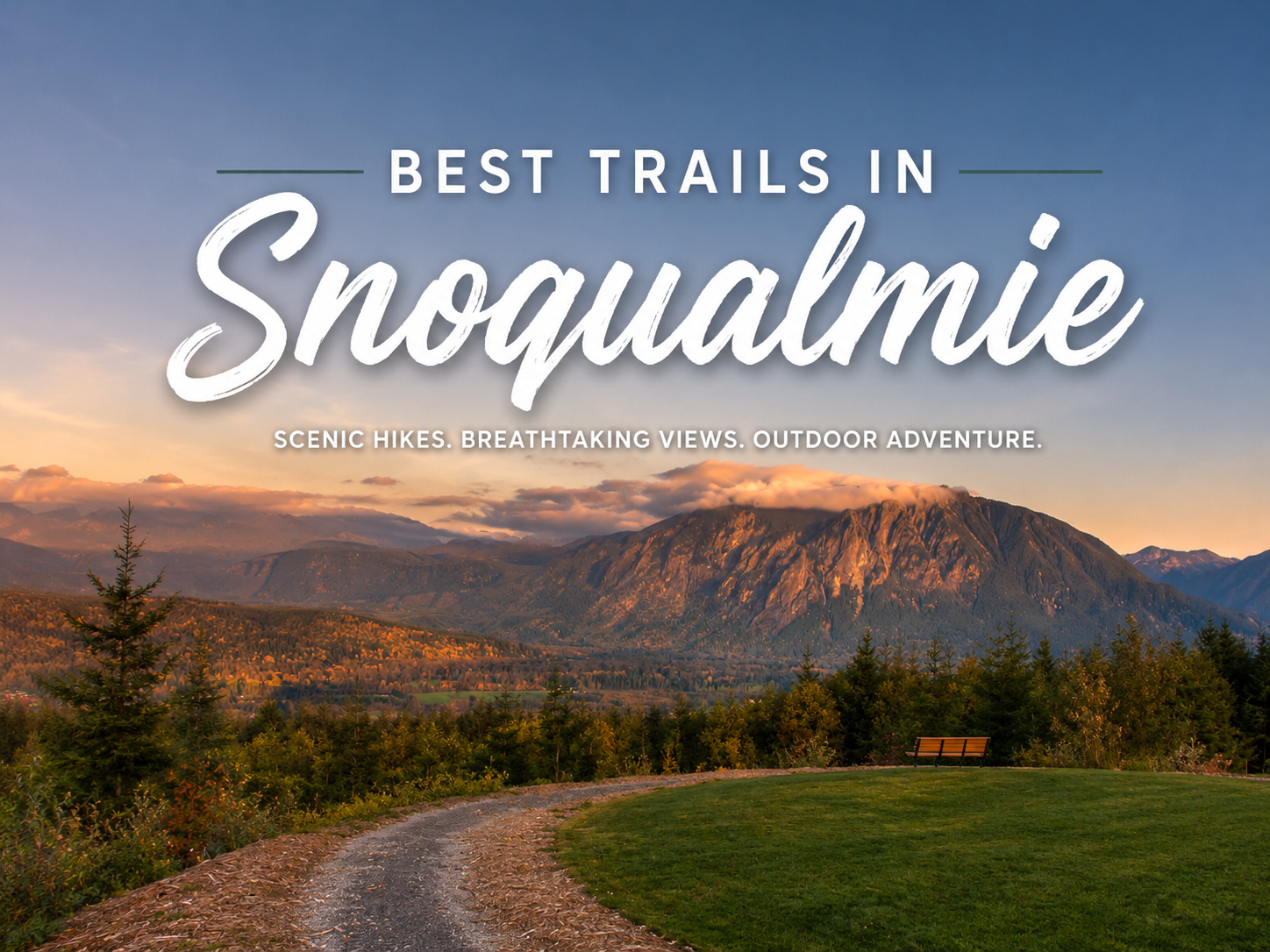
You've probably already heard about Rattlesnake Ledge — it is the most-hiked trail in all of Washington State, which means it is also the most crowded. But ask a longtime valley resident where they go for a quiet morning walk or a weekday afternoon outside, and you'll hear about routes and parks along the river and forest that rarely come up in a Google search. These are the spots that valley locals actually return to.
Off the Beaten Path, Along the River
Three Forks Natural Area, where the North Fork, Middle Fork, and South Fork of the Snoqualmie River converge just east of North Bend, is the kind of spot that valley residents use as an orienting landmark and a genuine destination. The riverside trail access and the natural open area at the confluence offer a different character from the forest and ridge trails that draw day-trippers from Seattle — it is flat, accessible, and genuinely beautiful in a way that rewards a slow afternoon rather than a determined summit push.
Tanner Landing Park along the Snoqualmie River in Carnation is the spot that residents in the northern valley who are raising families tend to discover and then visit every summer weekend. The river beach access and the surrounding parkland provide the kind of uncomplicated outdoor experience that is exactly what a hot August afternoon requires. It is a local park in the truest sense — maintained for the people who live in the valley, not for the day-trip market.
Trail Highlights: The Snoqualmie Valley Trail and Iron Horse
The Snoqualmie Valley Trail, the rails-to-trails corridor that follows the old Burlington Northern right-of-way through the valley floor, is perhaps the valley's most genuinely useful outdoor corridor for residents — flat, paved for much of its length, and connecting communities from Duvall through North Bend in a way that makes multi-community cycling and walking trips genuinely practical. On a weekday, stretches of it feel completely empty in the most appealing way.
The John Wayne Pioneer Trail (Iron Horse State Park) — the eastward continuation of the trail corridor through Rattlesnake Lake and into the mountains — is where valley residents go when they want the feeling of genuinely remote mountain travel without the drive. The tunnel at the Cascade crest, accessible from the Hyak trailhead, is the kind of trail experience that most residents who move to the valley add to their list in the first year and then return to regularly.
Family-Friendly Finds in the Valley Floor
Tolt-MacDonald Park in Carnation, where the Tolt River meets the Snoqualmie, offers camping, suspension bridge access, forested trails, and river swimming in a setting that feels far more remote than its 45-minute drive from Seattle would suggest. Valley families who discover it often return every summer for years.
Why These Places Matter
A river confluence that locals use as a weekend destination, a rails-to-trails corridor that connects towns without a car, a riverside park that belongs entirely to the people who live nearby — these are the places that make living in the Snoqualmie Valley feel genuinely different from living in a closer-in suburb. The ledge hike brings the crowds. These spots keep the residents.
Discover more of what makes Snoqualmie a great place to live on Explore Snoqualmie. Want to live somewhere with easy access to nature? Connect with Ed Laine.
Sources: wa.gov — Snoqualmie Valley Trail, kingcounty.gov — Tolt MacDonald Park, explore-snoqualmie.org
Every Thursday — local news, events, deals, and new listings. Free forever.